

Surfboard Tails Explained: Everything You Need To Know
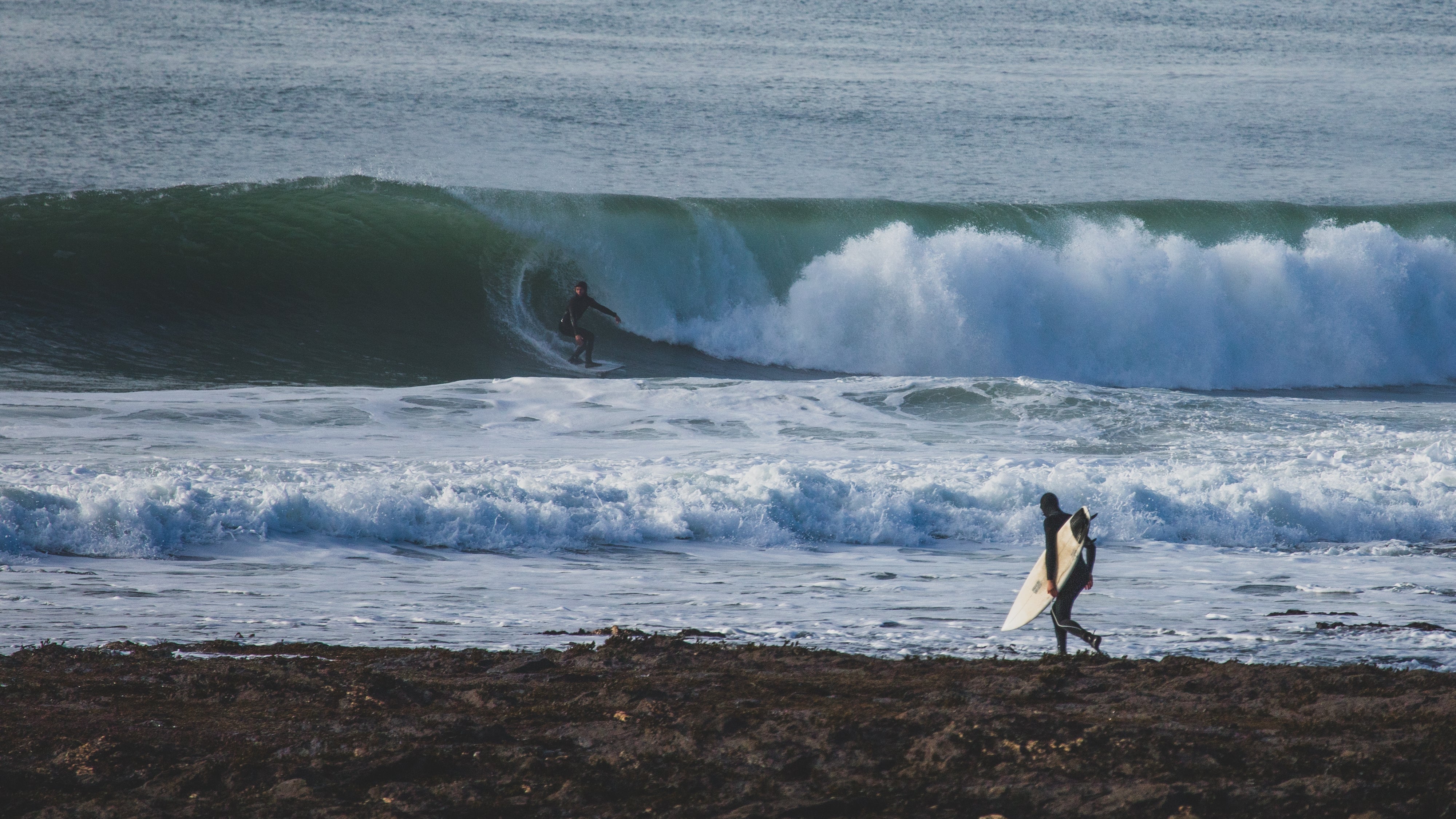
Cover shot by Nathan Benham
Surfboard design is nuanced and varied. There are so many elements that go into the anatomy of a surfboard it can make your head spin, especially in your early surfing career.
These days, surfers look at numbers like volume to inform their decision-making process when buying a new board. Volume is just one of the many jigsaw pieces to slot into place to make an informed decision. Things like rocker, concaves, rails, fins, nose, tails -- should all be at the forefront of your mind. The first few questions your local shaper will ask are more along the lines of 'what ability level are you,' and 'what types of waves are you surfing?'
 And when you're picking a fresh whip straight off the rack at a local surf shop, it's worth knowing what the tail-end of that board is best suited to. While the nose and rocker allow you to get into different types of waves, it's a combo of everything else that form together and feed into what you're doing when you're up and riding.
For now, let's look at tails and which ones are best suited for wave types and progression levels.
Round Tail
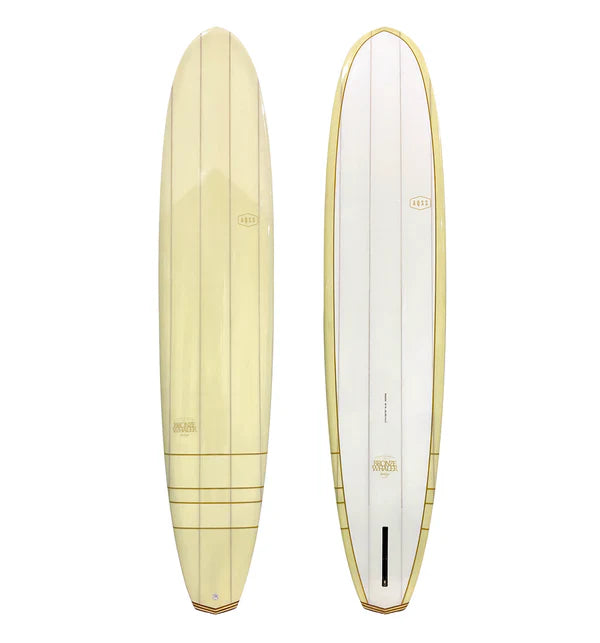
This tail curves around with no corners, meaning there's less overall surface area for water to move over. This allows for smooth and fluid turns, but does reduce drive. Choose a round tail if you're surfing bigger or more powerful waves – since the shape will hold your line through fast sections. The rounded edge also allows for better release in your turns, compared to other common tails.

Square Tail
A square tail has defined corners, with a flat bottom. Those corners act as excellent pivot points to flush water around and snap your board quicker into turns. These tails generate a lot of hold and drive when going down the line, and can release very quickly when you shift your weight for the turn. Perfect for when you want to get your turn snappy and vertical. However, that comes with a cost; the board can feel twitchy and prone to sliding out. More a niche small wave board than a go-to daily driver.

Remember the OG Neck Beard by CI? Dane Reynolds made this little number famous, with its chopped square tail, and created a viral sensation out of it.
Squash Tail
The most common surfboard tail around – on shortboards, anyway. The rounded corners have a relatively straight edge to them, sitting in the middle of a round tail and square tail. You get the drive of the square and the release of a round tail. There's a good balance of speed over flat sections and looseness in the turn, but has less hold due to the squashed nature. They're also not so zesty off the bottom turn compared to something like a pin tail and with too much speed, can feel a bit chattery on the face. Great for when waves are in the playful range, but anything with some power is going to feel a bit too off.

The Pyzel Gremlin, not for everyone, but features a squash tail.
Pin Tail/Rounded Pin Tail
A tail that ends in a smaller rounded edge at the back. The perfect tail for smooth and flowing turns. But you sacrifice the looseness and versatility of other tails because this narrow rear end holds the line so well. Which makes quick, snappy turns very difficult. Despite other popular rhetoric about pin tails, they're actually much slower than other shapes and are not good in weak waves as there's less surface area to generate speed. Not for beginners. You will often see a pin tail paired with twin fins, and this is to flush as much water under the board as possible and add to the looseness of the board. Best for powerful waves and pointbreaks, an ideal Morocco board, not for grovelling 1ft Fistral.

The CI mid twin, featuring a rounded tail. One of the most popular surfboards on the planet. Contrary to what you may think, these are good wave boards, best suited to pointbreaks.
Asymmetrical
Asymmetrical tails, where one side of the tail is longer, rounder or fuller than the other, completely changes how you surf front side and back side. The board may only work well dependent on how the asym is set up and is designed to move with your body's uneven rhythm when surfing. Turning with your toes is different than with your heels. The toe side performance gives you more speed while heel side makes pivoting more easy. They're a niche experience but best suited for punchy, high performance waves.

An aysm, courtesy of Jay Surfboards.
Swallow Tail
Two double cutaways angling away from the stringer, a swallow tail, or fish tail, has been a surfing staple for the better part of a generation. These are built for looseness and speed in smaller, weaker surf, and on the flip side can struggled in bigger, critical conditions. At speed, the swallow tail can feel like skating and too loose. There's also the danger that when you do a cut back, the two points will snag, bogging the turn a fair bit. Which means they're best suited for more open face, flow surfing. Swallow tails are usually paired with flatter outlines, lower rockers, like fish boards, to maximise performance.

Flat and floaty, perfect for a swallow tail.
Bat Tail
Like an exaggerated swallow tail, the bat tail offers more speed, retaining volume through the back-end wide point – which is ideal for weak or mushy waves. This tail offers extra stability too and can release quickly off the bottom turn. More a hybrid between a round and swallow tail – but sadly doesn't do either as good as the original tails. Also, and maybe it's just me, but the bat tails feels really off. As in, you think it's going to do one thing and it does something completely different. Perhaps surfing a bat tail is similar to a twin fin – don't over-engineer your turns and let the board do the work? But my experience is only a year-long stint on a board I eventually retired. The bat tail came into focus more when Kelly Slater unveiled the Sci-Fi, which had a crazy-looking double bat tail and channels, which seemingly muted the criticisms of bat tails. Still, not for me.

Not quite a bat tail, more a mutated double bat tail -- but Slater's Sci Fi model gained traction for a reason.
Diamond Tail
Now here's a niche that may be worth dipping into. The diamond tail is incredibly similar in performance to the squash but has even less surface area at the back point – which means it can lose some drive and hold. It's a hybrid between the squash and control-orientated pin tail offering snappy transitions. Best in smaller conditions, up to head high. Your mileage may vary though and if you're feeling flush, you're better of getting a squash and a pin tail, rather than settling for the jack-of-all-trades.

Firewire's Spun Honey, a groveller with a diamond tail.
***
Not sure which to go for? 10 Over Surf Shop is reopening at 11 Cliff Road in Newquay, a flagship store with a barbers, bar, cafe, boards, wetsuits, gear, accessories and expert advice on tap. Drop on in next month to chat over your next board or any piece of gear.
-
Posted in
Helpful Surfing Info

